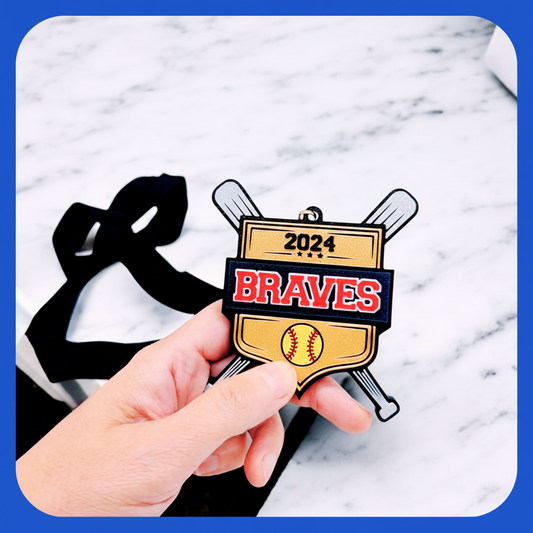
A medal may be handed out in a few seconds, but it can hold an entire season: early practices, tournament mornings, new friendships, close games, and the quiet confidence a player builds along the way. The best way to design medals is to start with that feeling, then make choices that help every athlete feel recognized.
For a youth team, a medal does not need to be oversized, expensive, or covered in details to matter. It needs to feel like it belongs to the team and, when possible, to the player receiving it. A clear design, the right team colors, and a personal detail can turn an end-of-season handout into something families keep in a memory box, display on a shelf, or hang beside a bedroom desk.
Start With the Moment You Want to Mark
Before choosing shapes, colors, or wording, decide what the medal is celebrating. A championship win calls for a different approach than a first season, a tournament appearance, or a coach's thank-you event.
For competitive achievements, the design can carry more energy. Team colors, the season year, event name, and a bold placement such as Champion, Finalist, or Tournament MVP give the medal a clear purpose. For a recreational team, the message may be better centered on participation, growth, effort, or team pride. Neither approach is more meaningful than the other. It depends on what the group experienced together.
A useful question for coaches and team managers is simple: when a player looks at this medal in two years, what should it remind them of? That answer should guide every design decision that follows.
Design Medals Around Team Identity
Youth teams already have a visual language. There are jersey colors, a mascot, a sport, a team name, and sometimes a season slogan or tournament logo. Bringing a few of those elements into the medal creates a stronger connection than using a generic design with a name added at the end.
Start with the team colors. Choose one dominant color and one or two supporting colors so the design stays clean. Trying to include every shade from a jersey can make a small medal look busy. Strong contrast matters, especially for names, numbers, and year details that need to be easy to read.
Sport-specific details help, too. A hockey medal might use a puck, crossed sticks, a skate-inspired outline, or a rink-style graphic. Baseball and softball designs can use stitching, bats, gloves, or a home plate shape. Soccer, basketball, volleyball, and football each offer recognizable visual cues without needing a crowded layout.
The goal is not to fit every possible symbol onto one piece. It is to make the team recognizable at a glance. A simpler medal often feels more polished because the important details have room to stand out.
Keep the Front Focused
The front of a medal should carry the main message. Usually, that means the team name or logo, the sport, and the achievement or season. If the medal has a custom shape, let that shape do some of the visual work rather than adding extra graphics.
Avoid tiny blocks of text, especially if you are including tournament names or several sponsor details. Small text can look fine on a screen but become difficult to read in a finished product. If the wording is important, shorten it. “Spring Classic 2026” is often stronger than a full event title, location, division, and date all in one place.
Use the Back for Personal Details
The back is a natural place for player names, jersey numbers, the coach's name, or a short team message. This is where a medal shifts from team merchandise to a personal keepsake.
For a full roster, consistency is key. Use the same layout for each player and change only the name and number. It keeps the collection cohesive while ensuring every athlete receives something made specifically for them.
Personalization is especially valuable for younger players and first-time teams. A child may not remember every score, but they will remember seeing their own name on something that represents their season.
Choose Materials and Features for Real Life
A medal has to look good, but it also has to work for the occasion. Think about how it will be presented, worn, packed, and kept after the event.
A larger, heavier medal can feel substantial during an awards ceremony, but it may not be the best fit for a team handing out dozens of items or traveling to an out-of-town tournament. A lighter option can be easier to distribute, more comfortable for younger athletes, and friendlier to the overall budget. There is no universal right choice. The best option balances the feeling you want with the number of players and the event itself.
Ribbons deserve attention as well. A ribbon in team colors creates an instant visual connection and makes the medal feel ready for presentation. If you are using more than one color, make sure the combination supports the medal rather than competing with it.
Durability matters most when medals are likely to be worn immediately by excited kids. Look for a finish that feels smooth, edges that are comfortable to handle, and a design that will remain readable after being tucked into a sports bag or shown to grandparents after the game.
Make the Wording Feel Earned
The words on a medal can be simple, but they should be intentional. “Player of the Year” works when it reflects a real award. “Team Spirit,” “Most Improved,” or “Coach's Choice” can be just as meaningful when chosen thoughtfully.
For team-wide medals, a shared phrase often works best: “Proud Member,” “Season Complete,” or “2026 Team Award.” Pair it with the team name and season so the medal has a clear place in the player's story.
Be careful with participation language if your group includes different age levels or competitive expectations. A young house league team may love a playful, encouraging message. An older travel team may prefer a cleaner design that marks the event, roster, and achievement without extra wording. Knowing the players helps you strike the right tone.
Plan the Roster Before You Finalize the Design
Team orders get complicated when names, jersey numbers, and late additions are collected in scattered text messages. The design process goes more smoothly when one person confirms the roster before the order is built.
Create a final list with each player's preferred spelling, jersey number, and any special recognition awards. Check it with another parent, assistant coach, or manager before production. It takes a few minutes and can prevent the most disappointing kind of mistake: a player receiving an item with the wrong name or number.
If the medals are part of a larger end-of-season package, consider how they will look alongside team bag tags, player nameplates, or coach gifts. Matching colors and typography can make the entire presentation feel organized without requiring every item to have the exact same design.
For teams ordering in quantity, a full-roster workflow is usually easier than creating one medal at a time. It also makes it simpler to keep the design consistent across the team, confirm quantities, and stay within a shared budget.
Avoid the Details That Date a Medal Too Quickly
Trends can be fun, but medals tend to last longer than a season's social media graphics. A clean design with a clear year, team name, and sport is less likely to feel dated than a layout built around novelty phrases or overly complicated effects.
That does not mean the medal has to be plain. A custom team color, a distinctive sport icon, or a player name adds plenty of personality. The difference is whether each element has a purpose.
It is also wise to confirm the season year. Teams often start in one calendar year and finish in the next, especially in hockey and basketball. Decide whether the medal should show the starting year, ending year, or a season range such as 2025-26. Pick one format and use it consistently across the roster.
Give Every Player a Moment
The presentation matters almost as much as the medal itself. Calling each player by name, sharing one brief positive note, or having coaches hand out medals personally adds meaning without making the event overly formal.
For a coach, that might mean recognizing the player who brought steady effort to every practice, the teammate who encouraged others, or the athlete who grew more confident over the season. Keep it genuine and specific. A few honest words can make a simple medal feel deeply personal.
At Jack N Elliot Studio, the focus is on personalized sports products that reflect the people and teams they belong to. Whether you are recognizing a championship season or a group of players who simply showed up for each other, the best medal design makes room for both the team story and the individual behind it.
A season moves quickly once the final whistle blows. Choose details that help players hold onto the part that lasts: the name on the roster, the colors they wore, and the pride of being part of the team.