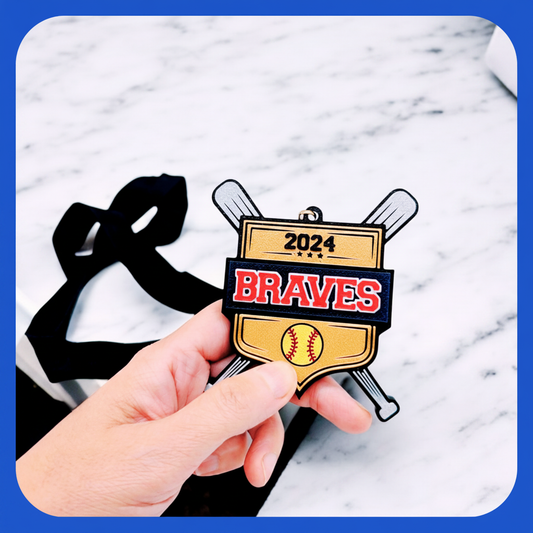
A medal is small, but it tends to stay. Long after the team photo is packed away and the season schedule is forgotten, players still pull out the award with their name, number, or team colors on it. That is what makes a thoughtful guide to custom sports medals useful: the right medal does more than recognize a finish. It gives players a piece of their season to keep.
For busy coaches, team managers, and parents, the goal is not to make ordering awards complicated. It is to choose something personal, age-appropriate, and easy to organize for every player on the roster.
Start With the Moment You Are Celebrating
Custom medals work best when the design matches the reason for the award. A tournament medal has a different job than an end-of-season keepsake. One celebrates a specific result; the other recognizes the commitment it took to show up for practices, games, early mornings, and team travel.
For a championship or tournament, details such as the event name, division, date, and placement can make the medal feel official. For a season-end team gift, player names, jersey numbers, team colors, and the season year often matter more. Younger athletes may value seeing their own name most of all, while older players may appreciate a cleaner design that feels connected to the team identity.
There is no single right format. It depends on what players will remember most. If the team had a defining tournament, include it. If the season was about growth, friendship, and effort, a team-centered medal may feel more meaningful than a placement-focused one.
Choose a Design That Belongs to the Sport
A generic award can do the job, but a sport-specific design feels more intentional. Hockey medals can feature sticks, skates, nets, or puck-inspired details. Baseball and softball designs might use bats, gloves, diamonds, or ball stitching. Soccer, basketball, volleyball, football, and other sports each have visual elements that make the medal immediately recognizable.
Start with the sport, then look at the team’s own look. Team colors should guide the ribbon, background, border, or name details where possible. A medal does not need to copy every part of a jersey to feel connected, but using a familiar color combination creates a stronger sense of belonging.
Keep readability in mind. A design can include a logo, player name, team name, number, and season, but fitting every detail onto one small surface can make the result harder to read. Choose the details that matter most and give them room. Usually, the player’s name and the team or event name deserve priority.
Match the Medal to the Players
Age makes a difference. For younger teams, bold colors, clear sport icons, and larger type are usually the best choice. Players want an award they can recognize right away and show to family members.
For older youth teams, a more streamlined look often works well. Clean lettering, a strong team color, and a simple sport graphic can feel polished without becoming too formal. If you are ordering for a school, club, or travel team, consider whether the design will still feel right in a team photo, at a banquet, or on a bedroom display shelf.
Personalization Makes the Difference
The biggest advantage of custom sports medals is simple: every player can receive an award made for them, not a leftover item from a bulk box. A name, jersey number, position, or short team message turns a medal into a personal reminder of participation.
For most teams, names and numbers are the practical starting point. They make it easy to hand out medals correctly, especially when players have similar first names. Adding the season year also helps preserve the memory. A medal from 2026 means more years from now than one that only says “Great Season.”
Coach and volunteer medals can be worth planning, too. Coaches often give their time quietly, and a personalized thank-you from the roster can be a warm, useful gesture. Their version can include the team name, season, and a brief message such as “Thank You, Coach” rather than player details.
Avoid overly long text. A favorite team phrase may be meaningful in the locker room, but it may not fit clearly on a medal. If you have a longer message, save it for a card, team poster, or presentation speech and let the medal stay clean.
Plan Your Roster Before You Design
Ordering for one player is straightforward. Ordering for 12, 18, or 25 players requires a little more preparation, especially when every item has different names and numbers.
Before you begin, create one final roster with each player’s preferred name, jersey number, and any details that will appear on the medal. Check spelling against the official team list rather than relying on memory. This step takes only a few minutes and prevents the disappointment of a medal with a misspelled name.
If your team is still assigning numbers, wait until the roster is settled. If that is not possible, use names and team details only. It is better to leave off an uncertain number than to order a personalized award that needs to be corrected later.
A full-roster ordering workflow can make a major difference for team organizers. Instead of personalizing every medal from scratch, you can apply a consistent design across the team while changing individual names and numbers. This keeps the awards coordinated and makes it easier to review the entire order before production.
Set a Budget That Prioritizes What Players Keep
Medals do not need to be expensive to feel special. The key is spending on the details players will notice: a design that suits their sport, personalization that is accurate, and a finish that feels worth keeping.
Your total budget may include the medals, ribbons or attachments, personalization, shipping, and a few extras for coaches, assistant coaches, or replacement needs. Ordering one or two additional medals can be helpful when rosters change late or an award is misplaced before the presentation.
Team bundle pricing is often a smart option when every player receives a medal. It keeps the cost more predictable and helps teams avoid the awkward choice of recognizing only a few athletes. For youth sports, participation matters. A personalized medal gives every player a moment to feel seen, whether the season ended with a trophy or simply a stronger team.
If the budget is tight, simplify the design rather than removing the personal element. A clean sport icon, team name, player name, and season can be more memorable than a busier medal with no connection to the individual receiving it.
Review the Preview Like It Is a Final Scorecard
A live personalization preview is especially useful for team orders because it lets you see how names, numbers, and colors work together before you commit. Review each player’s version, not just the first one. Long names, double-digit numbers, and unusual spellings can change the balance of a design.
Look for three things: spelling, contrast, and consistency. Names should be accurate, text should stand out from the background, and every medal should follow the same design system. If one player’s name is much longer than the others, adjust the text size or layout so it remains easy to read.
Also check the practical details. Confirm how many medals you need, when the awards are being presented, and where they need to ship. Build in time for production and tracked delivery, particularly during busy tournament and end-of-season periods.
Make the Presentation Part of the Memory
How medals are handed out matters almost as much as how they look. Calling each player forward, sharing one specific contribution from their season, and placing the medal in their hands gives the moment more weight. It does not need to be a long speech. One honest sentence can be enough.
For a larger team, group awards by age division, position group, or roster order to keep the event moving. For younger players, consider letting coaches present medals while families take photos. For older athletes, a team dinner, final practice, or post-tournament gathering may feel more natural.
A custom medal is not a replacement for the season itself. It is a marker of it: the first goal, the rainy tournament weekend, the close game, the teammate who kept everyone laughing. Choose details that bring those memories back, and the award will feel made for the team that earned it.