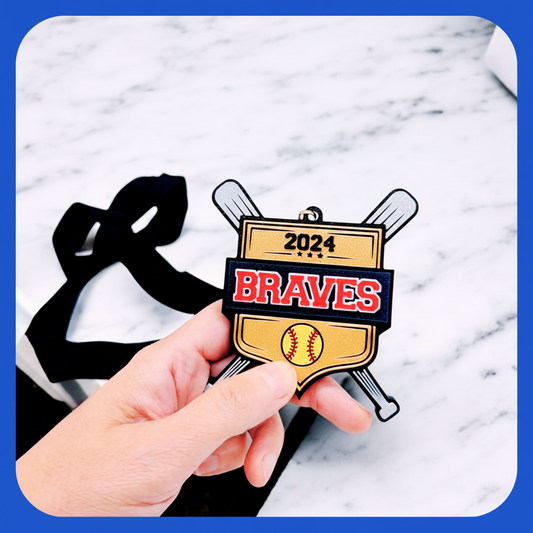
A medal becomes part of the season's story the moment a player puts it around their neck. It might mark a first tournament, a hard-fought playoff run, a coach's thank-you gift, or simply the team that showed up for one another all year. When choosing engraved medals versus printed medals, the best option depends less on which is universally better and more on what you want the award to say, how many you need, and when you need them.
For busy coaches, team managers, and parents, the practical details matter. Names need to be right. Team colors should feel intentional. The order has to fit the budget and arrive in time for the final game. Here is how to choose with confidence.
Engraved Medals Versus Printed Medals: The Core Difference
An engraved medal has information physically cut, etched, or marked into its surface. That might be a player's name, a season, a tournament title, or a placement such as Champions or Finalist. The result is permanent and tactile. Run a finger across certain engraving styles and you can feel the lettering become part of the medal itself.
A printed medal applies the design to the medal's surface, often as a full-color graphic. Printing can include detailed logos, photos, gradients, player-specific artwork, mascots, and bright team colors that would be difficult or impossible to recreate through engraving alone.
Neither approach is automatically more meaningful. Engraving often feels classic and ceremonial. Printing can feel more personal, current, and connected to a team's visual identity. The right choice comes down to the occasion and the design.
When Engraved Medals Make the Most Sense
Engraved medals are a strong fit when you want a traditional award with a clean, lasting look. They work especially well for formal tournaments, achievement awards, milestone seasons, and recognition where the wording itself carries the message.
A simple metal medal engraved with “2026 Regional Champions” or “Most Improved Player” has a permanence that suits a big accomplishment. The design does not need much explanation. It feels intentional because the recognition is direct and easy to read.
Engraving is also a practical choice for designs with limited text. A player name, team name, date, and short award title can look polished without crowding the medal. If your team logo is simple, it may translate well too.
There are trade-offs. Engraved designs generally have less room for color and fine visual detail. Small artwork, complex crests, shaded graphics, and multiple colors may not reproduce clearly. If your softball team has a bold multicolor logo or your hockey club relies on a detailed crest, an engraved medal may feel more restrained than you intended.
Why Printed Medals Stand Out for Youth Teams
Printed medals give organizers more freedom to make the award feel like it belongs to one specific team and season. A full-color design can match jersey colors, feature a sport-specific background, include a mascot, and make each player's name or number part of the finished piece.
That flexibility matters in youth sports. Players notice when an award looks like their team, not a generic medal with a label added afterward. A printed baseball medal can carry the team's colors and season details. A hockey medal can include a puck, rink-inspired graphics, and a player number. For a year-end celebration, those details help turn an award into a keepsake.
Printing is especially useful when the design is doing much of the storytelling. Tournament organizers may want a bold event logo. Coaches may want to recognize a team with a shared design while still adding individual names. Parents planning player gifts may want something that feels fun, modern, and photo-worthy without becoming overly formal.
The main consideration is visual quality. Printed medals look best when the artwork is designed for the medal's size. Too much tiny text, an overcrowded roster, or a low-quality logo can make a good idea harder to read. Keep the central message clear, and let the sport, colors, and team details support it.
Compare the Look, Feel, and Purpose
If you are deciding between engraved and printed options, start with the feeling you want players to take away.
Engraved medals tend to feel classic, official, and understated. They are ideal when the award is centered on a title, placement, record, or formal achievement. Think championship events, long-service recognition, academic awards, or a milestone tournament with a simple visual identity.
Printed medals tend to feel expressive, customized, and team-centered. They are a natural fit for youth leagues, end-of-season celebrations, participation awards, player gifts, camps, and tournaments with strong branding. They give you more space to reflect the personality of a group.
There is also a middle ground. A medal can use a full-color printed front design and include engraved information on the back. This approach works well when you want the energy of a custom visual plus the permanence of a player's name, date, or award category.
Budget and Quantity Matter More Than Most People Expect
Medal orders are rarely just about one award. A coach may need 14 player medals, two coach gifts, and a few extras for late additions. A tournament organizer may need several divisions, placements, and age groups. The ordering method has to work for the whole roster.
Engraving can be a practical option for straightforward awards, particularly when the same short message appears on every piece. However, individual engraving adds personalization steps, so make sure every spelling, number, and date is confirmed before production begins.
Printed medals can offer excellent value when a shared team design is used across the group. Once the artwork is set, player names and numbers can often be added in a consistent visual system. This makes them appealing for full-roster orders where every player should feel included without creating a different design from scratch each time.
For either option, order a few extra medals if your budget allows. Roster changes happen. A volunteer assistant coach may deserve recognition at the last minute. An extra can also save the day if a medal is misplaced before the celebration.
Timing: Plan for the Moment You Are Celebrating
The best medal is not helpful if it misses the banquet, final game, or tournament podium. Before choosing a style, work backward from the date you need the order in hand. Include time to confirm the roster, review the design, produce the medals, and allow for tracked shipping.
Engraved awards with simple, confirmed wording can be efficient, but the process still depends on personalization accuracy. Printed medals may require time to prepare and approve custom artwork, especially when individual player details are involved. Neither route should be treated as a last-minute decision if you want a polished result.
A clear roster file makes everything easier. Use the spelling players use on their jerseys or team list, verify numbers, and choose one person to approve the final details. For team orders, this small bit of organization prevents the most common avoidable mistake: a great medal with the wrong name on it.
A Simple Way to Choose Your Team's Medal
Choose engraving when the occasion calls for a timeless, formal award and your message is short and clear. It is a strong choice for champions, placements, special achievement categories, and events where a classic medal suits the moment.
Choose printing when color, team identity, and sport-specific design are central to the gift. It is often the better option for youth teams that want every player to receive something that looks made for their season, not pulled from a general awards catalog.
If you are ordering for a full roster, prioritize a process that lets you review each name, number, and design detail before committing. At Jack N Elliot Studio, that means personalization built around the team, with a visual preview that helps organizers see how the finished piece comes together.
The medal does not need to be oversized or overly elaborate to matter. When it carries the right name, the right colors, and a real connection to the team, it gives players something worth holding onto long after the equipment bag is packed away.