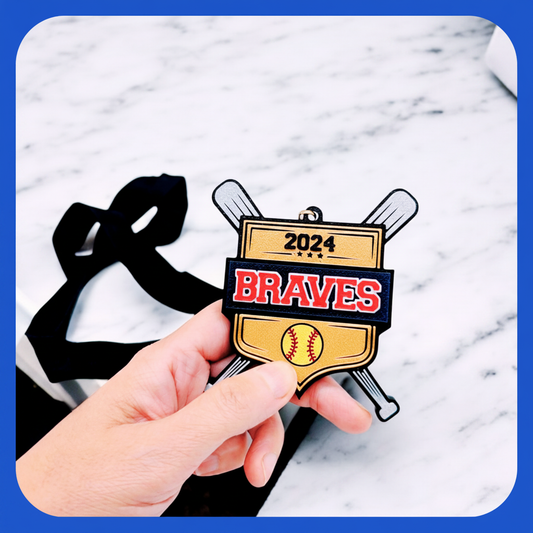
A good softball team tag order starts before anyone chooses a color or types in a player name. The simplest way to keep the process moving is to collect one clean roster with the exact details needed for every tag. This softball team tag order example gives coaches, team managers, and parent volunteers a practical format they can copy, check, and send with confidence.
For a busy youth softball team, personalized bag tags solve a small but familiar problem: gear can look nearly identical in a crowded dugout, on a tournament weekend, or after a late practice. A tag with a player’s name, number, and team colors makes a bat bag easier to spot while giving the team a coordinated look that feels personal.
Start with one person in charge of the roster
Team orders are easiest when one person gathers the information and sends one final list. That may be the head coach, team manager, or a parent volunteer. What matters is that players and families are not submitting details in separate messages, with different spellings and different versions of the team name.
Before collecting names, decide what will appear on every tag. Most softball teams use the player’s first name and jersey number, along with the team name. Some teams prefer a last name for older players, especially when several players share a first name. If the design has room, a division, season year, or short team phrase can be a nice addition, but simpler is often better for quick bag identification.
It also helps to decide whether you are ordering for every player, coaches only, or the entire team group. A full-roster order creates the most consistent result and is usually much easier to manage than adding one or two tags at a time.
Softball team tag order example to copy
Use a simple spreadsheet, notes document, or shared form to gather the roster. Keep the same columns for every player and ask families to confirm the spelling before the order is submitted.
| Player Name | Jersey Number | Team Name | Tag Quantity | Notes |
| --- | ---: | --- | ---: | --- |
| Emma R. | 4 | Thunder 12U | 1 | First name only |
| Sofia M. | 7 | Thunder 12U | 1 | First name only |
| Harper L. | 11 | Thunder 12U | 2 | One for bat bag, one for backpack |
| Ava K. | 13 | Thunder 12U | 1 | Confirmed spelling |
| Mia B. | 22 | Thunder 12U | 1 | First name only |
At the top of the order, include the shared design details in one place:
Team: Thunder 12U
Sport: Softball
Primary color: Royal blue
Accent color: White
Optional additional color: Gold
Season: Spring 2026
Order contact: Coach Taylor, coach@email.com
This format is intentionally straightforward. It separates team-wide choices from player-specific information, which makes it much less likely that a number or name gets attached to the wrong player.
If a player wants two tags, put the quantity beside her name rather than duplicating the row. If two players have the same first name, add a last initial or use the name format the family prefers. Those small choices prevent confusion when the tags arrive.
Choose details that stay clear on a tag
A bag tag has limited space, and that is part of what makes a clean design work. The most useful information should be visible at a glance: player name, jersey number, and team identity. Trying to fit a long slogan, tournament list, position, graduation year, and multiple nicknames onto one tag can make the design feel crowded.
For most youth teams, the best formula is player name plus number on the front, supported by the team name and softball design. If you are choosing between a player’s full name and a larger number, think about how the tag will be used. For younger teams, a clear first name may be most helpful. For a competitive team where bags often travel together, the number can be equally useful.
Team colors are another decision worth confirming early. Ask for the colors used on jerseys or uniforms, not just a general description such as “blue.” Royal blue, navy, teal, and powder blue create very different results. If your team uses a logo, make sure everyone agrees on the current version before an order is finalized.
Collect confirmations before placing the order
The roster is where most mistakes happen, not the personalization process itself. A missed accent, a nickname a player no longer uses, or a jersey number that changed after tryouts can turn a thoughtful team item into one that feels unfinished.
Send the completed roster to families for a quick review. A short message works well: “Please check your player’s name and number by Thursday. This spelling will be used on the team bag tag.” Give everyone a clear deadline, then make the order from the final version rather than adjusting names as replies continue to come in.
Pay special attention to these four details:
- Player names, including capitalization, spacing, and preferred nicknames
- Jersey numbers, especially if uniforms have not been distributed yet
- Tag quantities for families ordering extras
- Team name, age group, and color choices used across the full roster
This extra review step takes only a few minutes and can save the organizer from sorting through corrections later. It also gives parents confidence that their player’s tag will feel like it was made specifically for her.
Plan for timing, tournaments, and extras
The best time to organize a team order is usually early in the season, once numbers and final rosters are confirmed. That gives players time to use their tags for practices, league games, and tournament weekends. An end-of-season order can also work well as a player or coach gift, particularly when it includes the season year or a memorable team phrase.
If you need tags for a tournament, do not wait until the week of the event to start gathering names. Build in time for family confirmations, final roster changes, production, and tracked shipping. A little planning is especially helpful for teams with players joining late or waiting on uniform assignments.
Ordering a few extras can be practical, depending on your team. An extra unpersonalized team tag may be useful for a coach’s equipment bag, a shared ball bag, or a team raffle. Personalized extras make sense for siblings, parents, or players who use more than one bag. There is no single right quantity - it depends on how the team plans to use them.
Keep the team order easy to manage
A full-roster order should feel organized, not like another job on top of practices, snack schedules, field changes, and tournament carpools. Keep communication in one place, use one final spreadsheet, and avoid collecting details through scattered text messages.
When you are ready to personalize, use the live preview to check the team colors, player names, and number placement before submitting the roster. Seeing each tag come together can catch details that are easy to miss in a plain list. At Sportify3D, roster-based ordering is designed to help team organizers create matching tags without rebuilding the same design for every player.
If a family misses the deadline, it is usually better to place the main team order on time and handle a late tag separately than to hold up everyone else. That may not be ideal for every group, but it keeps a simple project from becoming stressful for the organizer.
A tag that belongs to the season
A personalized softball bag tag is practical first, but it also becomes part of the season. It rides to early-morning tournaments, waits by the fence during games, and comes home with the gear after a season of new skills, close friendships, and team memories. Start with a clear roster, check it once with families, and let every player carry something that feels like it belongs to her team.