The team party is next week, the season flew by, and now you need a gift that feels special without turning into another long group text. That is exactly where bag tags versus medals becomes a real decision for busy team parents and coaches. Both can celebrate players well, but they do very different jobs once the season ends.
If you're ordering for a full roster, the best choice usually comes down to what you want the gift to do. Do you want a classic award moment? Or do you want something players will actually use every week at the rink, field, or gym? That difference matters more than most people expect.
Bag tags versus medals - what is the real difference?
Medals are about recognition. They create a presentation moment, photograph well, and instantly feel like an achievement. For banquets, tournaments, and end-of-season ceremonies, that matters. A medal says, you finished this season and it meant something.
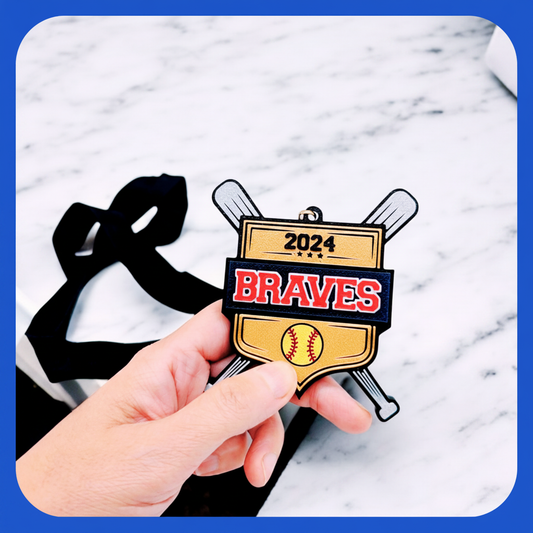
Bag tags are about identity and everyday use. They attach to a hockey bag, baseball backpack, softball gear tote, or travel duffel and keep showing up long after the party is over. A personalized tag says, this is my team, this is my gear, and this is my name.
That is why the choice is not simply sentimental versus practical. Both can be meaningful. The real question is whether your team wants a keepsake that gets displayed or a keepsake that travels.
When medals make the most sense
There is a reason medals have been a team favorite for so long. They fit the emotional rhythm of sports. A coach can hand one to each player, call out a few words, snap a photo, and every family leaves with a clear memory from the season.
For younger athletes, medals often feel exciting right away. They are easy to understand and instantly tied to effort, improvement, and team participation. If your season-ending event includes speeches, certificates, or a banquet table, medals fit naturally into that format.
They also work well when the budget needs to stay simple and the goal is equal recognition across the roster. If you are managing a large team or a league-wide order, medals can make distribution very straightforward.
The trade-off is that medals do not always stay part of a player's routine. Some end up on bedroom hooks, trophy shelves, or tucked into memory boxes. That is not a bad thing if the goal is commemoration. It just means their value is more emotional than functional.
When bag tags are the better pick
Bag tags shine when your team wants something personal, visible, and useful. In youth sports, gear gets mixed up constantly. Players carry similar bags. Parents sort equipment in parking lots. Coaches load trunks after tournaments. A custom tag with a player's name and team colors solves a real problem while still feeling like a gift.
That practical value is a big reason many team organizers choose tags over traditional awards. Players keep using them. Parents appreciate them. And because they stay attached to gear, they reinforce team pride all season and often into the next one.
Bag tags also feel especially strong for sports where equipment moves around a lot, like hockey, baseball, softball, soccer, and basketball. If your players travel, practice at multiple facilities, or stack matching bags in a dugout or locker room, tags do more than look good. They help things get home.
The emotional side matters too. A name on a product changes how it feels. Instead of a generic team giveaway, it becomes something made for each player. That is a big win when you want every athlete to feel included without making ordering harder.
Bag tags versus medals on personalization
This is where the gap can get wider. Medals usually allow for some level of customization, but the personalization tends to be broad. Team name, season year, event title, maybe placement or a short message. That works well for a standard award format.
Bag tags usually offer more room for player-specific detail. Names, numbers, sport graphics, team colors, and roster-wide matching designs can make each item feel more connected to the actual team. For parents planning gifts, that can be the difference between "nice" and "wow, you thought of everything."
If your team culture is big on matching gear and showing up coordinated, tags often fit better. They look intentional. They create a unified look. And they give every player something that feels individually theirs while still matching the rest of the roster.
Which option gives you more value?
Value is not just price per item. It is price compared to how long the gift stays relevant.
A medal can deliver a great moment at a lower level of complexity. If your main goal is celebration at the end of the season, that may be all you need. The value is in the ceremony, the photos, and the memory.
A bag tag tends to stretch its value over time. It keeps working after the season, especially for athletes who play year-round or move into the next session with the same gear. That longer lifespan can make tags feel like a better buy, even if your starting point was just "we need an end-of-season gift."
For budget-conscious team organizers, it helps to ask one simple question: are we buying for one event, or are we buying for the months after it too?
The ordering side matters more than people admit
Most parents are not choosing between bag tags versus medals in theory. They are choosing while managing snack duty, carpooling, and a dozen unread team messages. A gift that looks great but creates ordering chaos is not actually the better option.
That is why roster-based ordering matters. If you are collecting names, team colors, and quantities for every player, the process needs to stay easy. Personalized products can feel intimidating if you expect a long back-and-forth, but the right setup removes that headache.
For teams, bag tags often become much more attractive when the ordering process is built around full-roster customization instead of one-off purchases. Being able to preview the design, confirm names, and place one group order takes a lot of pressure off the team mom or manager handling it all.
That ease is one reason personalized tags continue to grow as a team gift option. They no longer feel like the complicated choice.
What works best for different team moments?
If you are planning an awards banquet or a tournament finish, medals usually fit the occasion better. They support that formal handout moment and make the event feel complete.
If you are organizing a coach gift add-on, player appreciation gift, or practical team item, bag tags usually win. They feel useful, polished, and easy to love right away.
There is also an it-depends middle ground. Some teams want one item that checks both boxes and lands somewhere between recognition and utility. In that case, think about your players' age, your sport, and how your team celebrates. A recreational soccer team with a simple pizza party may not need a ceremony-first item. A championship event probably does.
The best choice for youth teams
For most youth teams, bag tags come out ahead because they blend pride, personalization, and everyday usefulness. They do not just mark the end of a season. They keep showing up at practice, on travel days, and in family photos around the gear pile. That kind of staying power is hard to beat.
Medals still have a strong place, especially when the season-ending moment is the main event. But if you want a gift that feels custom, helps players stay organized, and keeps the team look going beyond one celebration, bag tags are often the smarter move.
That is especially true for organizers who want something that feels premium without becoming a project. Jack N Elliot Studio (Sportify3D) has leaned into that sweet spot with roster-friendly personalization, team colors, and an ordering flow built for busy families and volunteers.
The nicest team gifts usually are not the ones that try to do the most. They are the ones that match the moment, fit the team, and make every player feel seen. When you choose with that in mind, you rarely miss.